Can Exercise Help Period Pain? What Research Says About Dysmenorrhea
What Causes Period Pain?
Period pain is common.
For some women, it means a few uncomfortable days each month. For others, it is severe enough to disrupt work, sleep, exercise, and daily life.
Primary dysmenorrhea — menstrual pain that occurs without an underlying pelvic condition such as endometriosis or fibroids — is one of the most common menstrual health complaints.⁴
An important question researchers have increasingly explored is whether exercise can help reduce menstrual pain.
The short answer is: it may — and the type of exercise appears to matter.
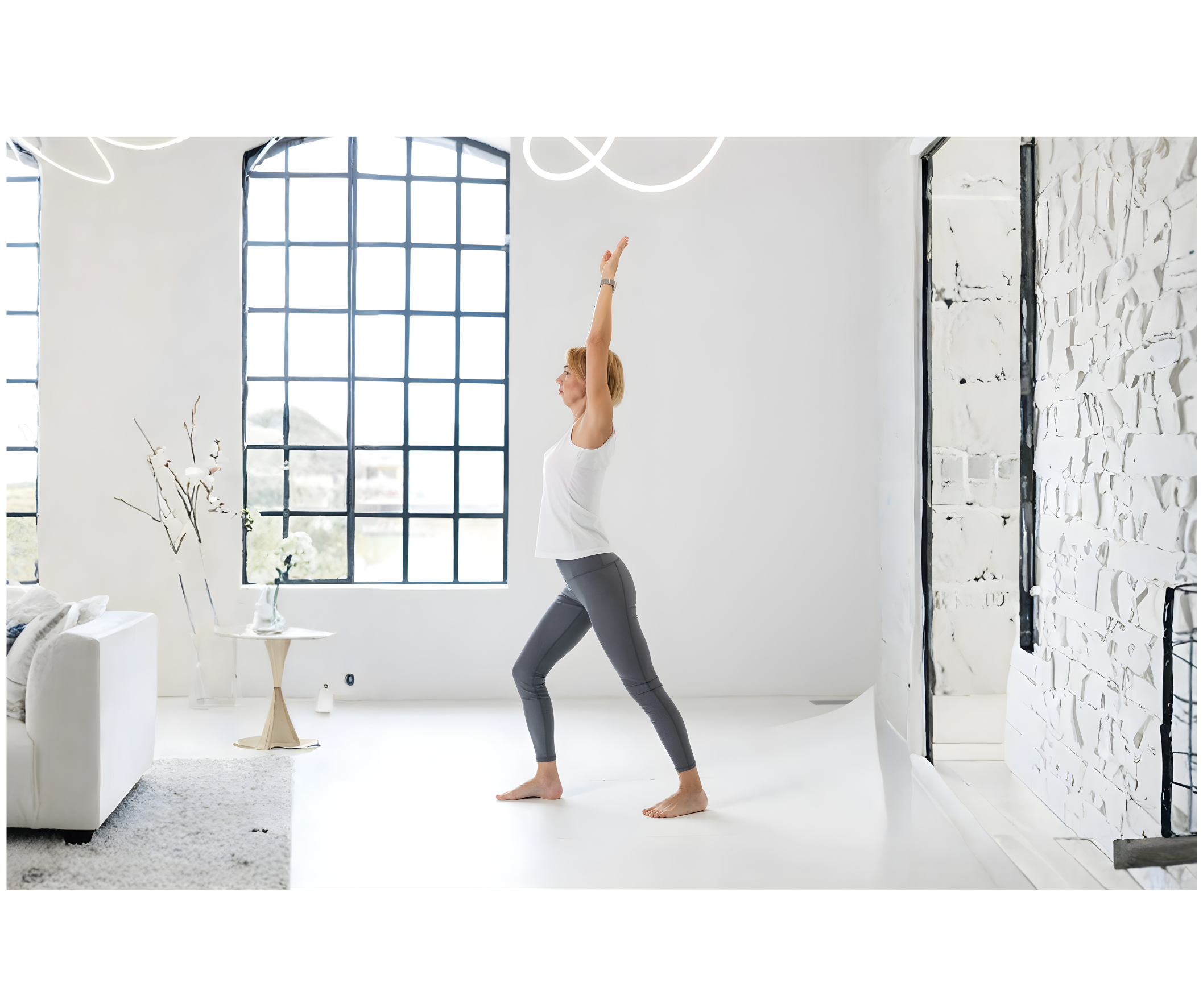
Aviva Exercises
Small consistent practice can create meaningful change.
Can Exercise Help Reduce Period Pain?
Research suggests exercise may help reduce menstrual pain, although the quality of evidence varies.¹
Regular movement is hypothesised to help through several physiological mechanisms, including:
improving general circulation
stimulating endorphin release
reducing muscular tension
supporting nervous system regulation
Endorphins are the body’s natural pain-modulating chemicals and may influence how pain is experienced.
Exercise may also help reduce stress and improve body awareness, both of which can affect pain perception.
However, the more difficult question is not whether movement helps — but what kind of movement helps most.
What Type of Exercise Helps Most?
Not all exercise affects the body in the same way.
Research suggests moderate, consistent movement may be more beneficial for menstrual pain than occasional high-intensity exercise.
Walking, aerobic exercise, yoga, stretching, and structured movement interventions have all shown potential benefits in research.
The important variables appear to be:
regularity
consistency
appropriate intensity
adherence over time
This raises an interesting question: can exercise specifically designed around pelvic movement offer additional benefits?
What Research Says About the Aviva Method
Two peer-reviewed studies have specifically examined the Aviva Method, a structured sequence of 18 exercises focused on pelvic circulation and reproductive health.
Key finding
Early peer-reviewed studies suggest that Aviva exercise could reduce menstrual pain and may influence uterine blood-flow measures. However, the current evidence remains preliminary and larger controlled studies are needed.
→ Read more about the research on the Aviva Method research page
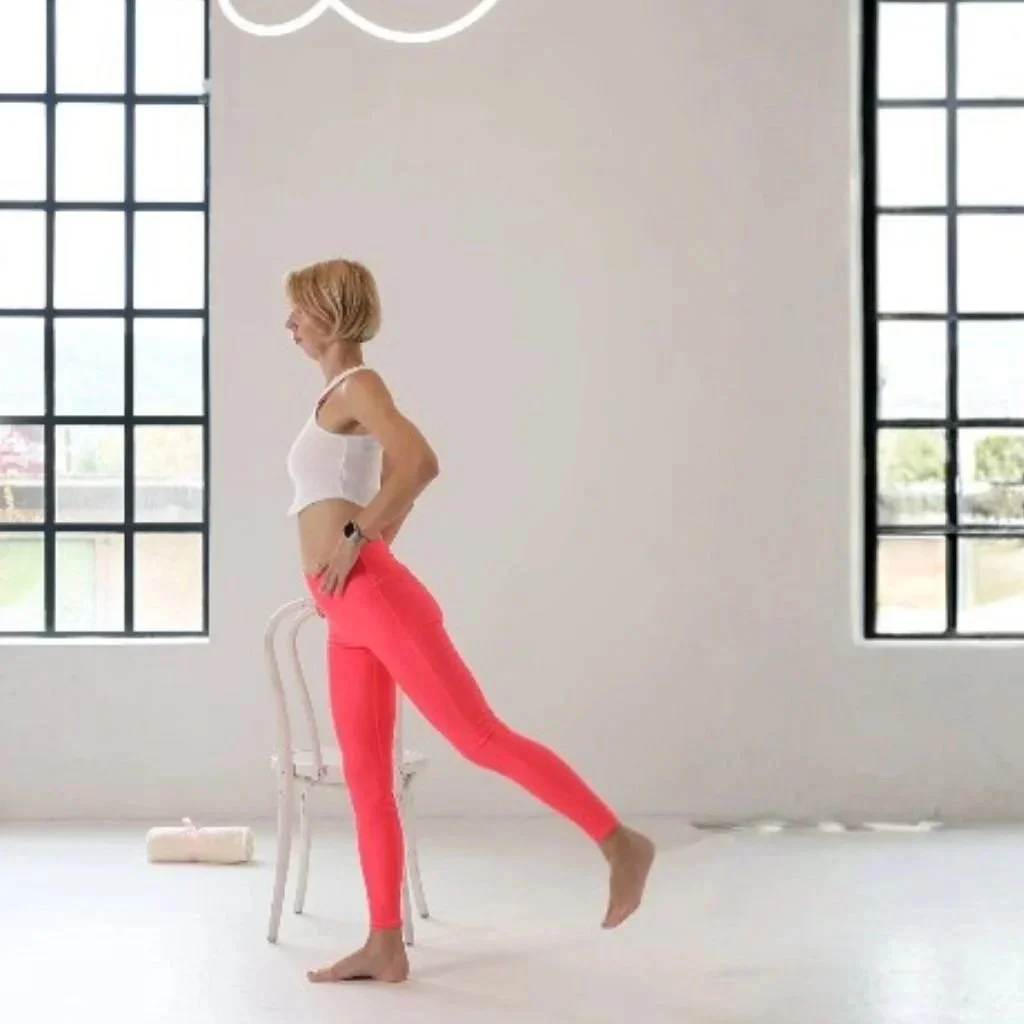
Aviva Exercises
Exercise may help period pain —
but not all movement is the same.
What This Means in Practice
These findings do not mean exercise is a cure for period pain.
They also do not mean every woman will respond in the same way.
However, the research suggests something meaningful:
Regular targeted movement may help reduce menstrual pain in some women, although the exact physiological mechanisms remain uncertain.
For women seeking non-pharmaceutical support, this is an important finding.
Who May Benefit Most?
The Aviva Method may be worth exploring for women with:
primary dysmenorrhea
recurring menstrual cramps
cycle-related pelvic discomfort
interest in structured home practice
If you suspect endometriosis, adenomyosis, fibroids, or another underlying gynaecological condition, medical evaluation remains essential.
The Aviva Method is a complementary movement practice and not a substitute for diagnosis or medical treatment.
How the Aviva Method is practised
The Aviva Method is a structured sequence of 18 exercises, approximately 30 minutes in total. It is learned in a workshop — online or in person — with a certified instructor, and then practised independently at home. The exercises are moderate intensity and focused on the pelvic area within a whole-body movement sequence.
For the results seen in the research, twice-weekly practice was the protocol. Most women who continue regularly report noticing changes within two to three cycles.
Ready to Try the Aviva Method?
Learn the full 18-exercise sequence in a live online or in-person workshop.
→ How the Aviva Method works
→ Upcoming workshops in Ireland
This article is for educational purposes and does not constitute medical advice.
References:
¹ Armour et al., 2019 — Exercise for dysmenorrhoea (Cochrane Review)
Low-quality evidence suggests exercise may reduce menstrual pain in women with primary dysmenorrhea.
Read review
² Kovács et al., 2024 — Medicina
Study examining the effect of Aviva exercise on pain level in women with primary dysmenorrhea.
Read study
³ Szőke et al., 2023 — Journal of Clinical Medicine
Study examining exercise, uterine artery pulsatility index, and menstrual pain in primary dysmenorrhea.
Read study
⁴ Nagy & Khan, 2023 — StatPearls
Clinical overview of dysmenorrhea pathophysiology, symptoms, and management.
Read clinical review
About the author: Agnes Berta is a certified Aviva Method instructor based in Ireland, offering online and in-person workshops. About the instructor →
Ready to try the Aviva Method?
You can learn with me online from wherever you are. If you don’t have an Aviva instructor available where you live, you are very welcome to join.
Not sure which option is right for you? Write to me.
Not ready yet? Watch the videos or follow @aviva_fertility to see more of the method first.