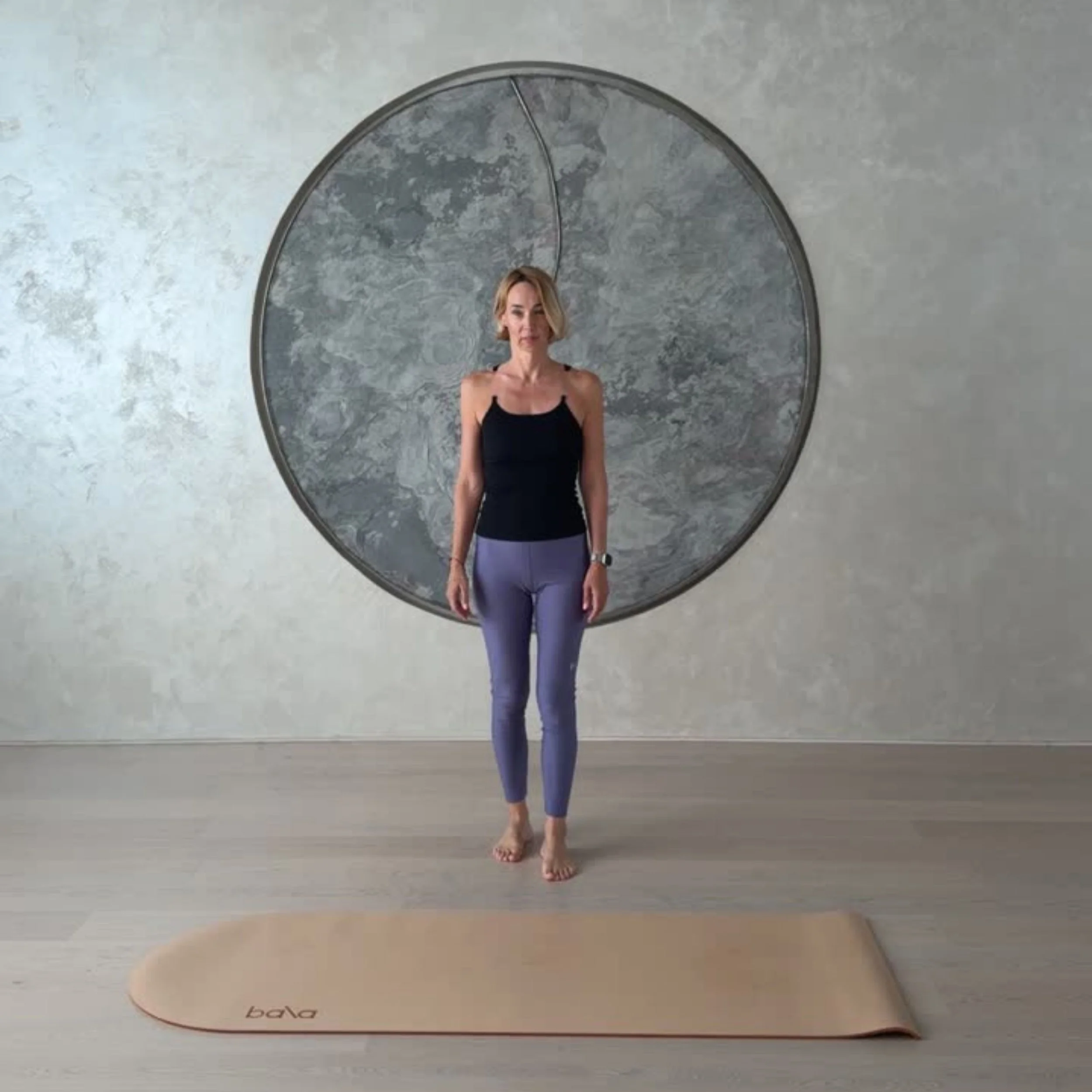
Exercise for Women’s Health: What Research Says About Period Pain, PMS & Aviva
Quick read
Different forms of exercise serve different purposes. Research has reported beneficial findings for aerobic exercise, yoga and the Aviva Method for period pain and PMS, although the programmes were not compared directly. Aviva can add a specific reproductive- and pelvic-health focus to a broader fitness plan without replacing cardiovascular, strength, bone-loading or mobility work.
Key findings
Aerobic exercise, yoga and the Aviva Method have all produced beneficial findings for period pain.
The studies used different programmes and methods, so they cannot establish which approach works best.
Aerobic exercise, yoga and Aviva have also produced beneficial PMS findings, although they did not measure identical outcomes.
Sustainable exercise can support metabolic health and an energy balance compatible with ovulation, while very high training loads combined with insufficient energy intake can disrupt it.
No particular exercise programme—including Aviva—has been proven to produce or restore ovulation.
During perimenopause and menopause, strength, bone loading, cardiovascular fitness, balance, mobility and pelvic-floor function all matter.
Aviva can add pelvic-floor work, core stabilisation, mobility, stretching, rhythmic movement and breathing to a varied fitness plan.
Can Exercise Really “Balance” Hormones? What Research Really Says
6-minute read
Summary
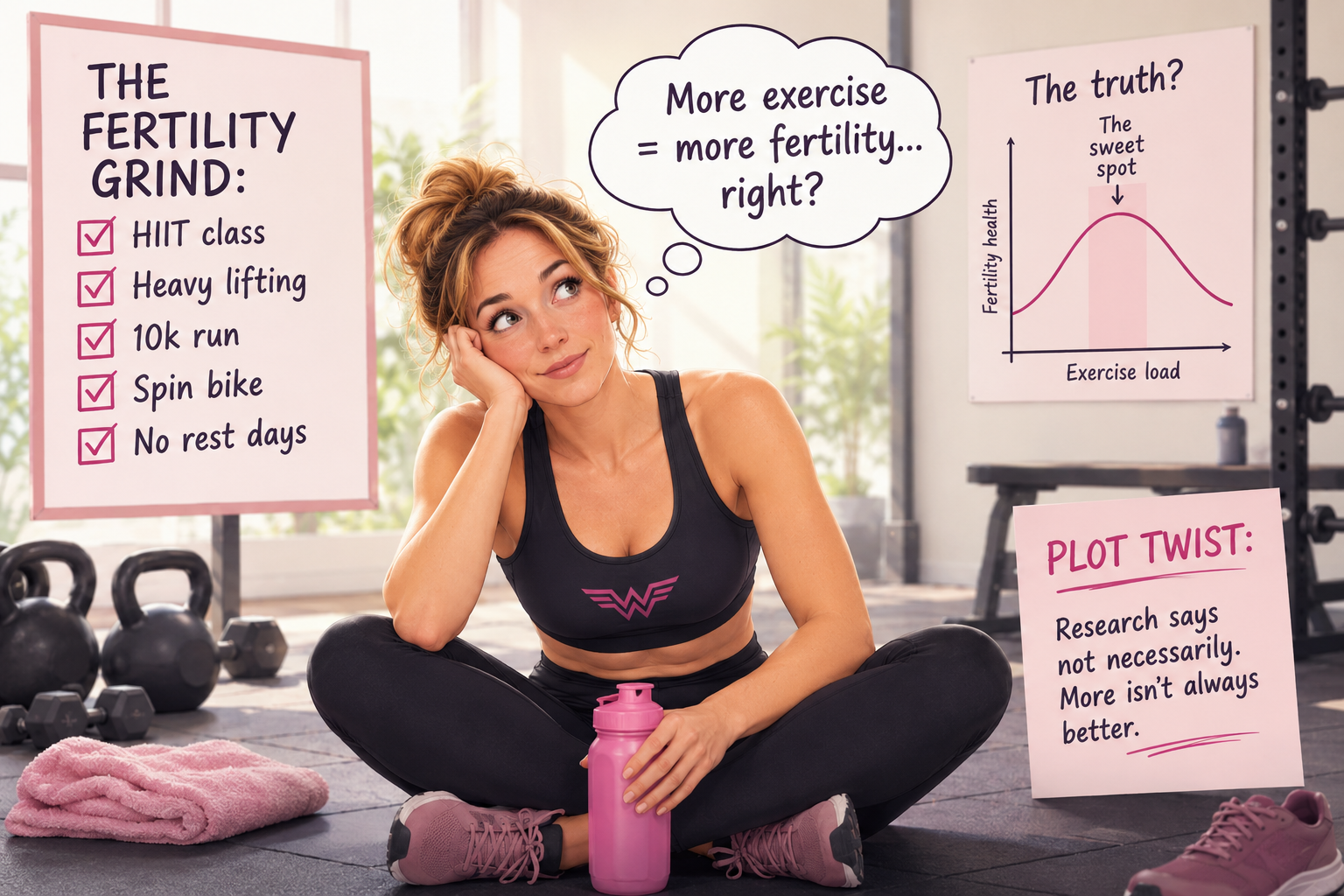
Yes, exercise can affect hormones—but it does not simply “balance” them. Regular movement can support insulin sensitivity, metabolic health, stress regulation and the conditions needed for ovulation. However, exercise cannot reliably raise progesterone or lower oestrogen, and too much exercise without sufficient food and recovery can disrupt menstrual cycles.
Key takeaways
Insulin matters to ovarian function—not only diabetes.
An active and a sedentary lifestyle are not hormonally equivalent.
Exercise can indirectly support oestrogen and progesterone regulation, but it cannot precisely control their levels.
More exercise is not always better: under-fuelling and inadequate recovery can disrupt ovulation.
The most supportive exercise routine is one you can sustain, fuel and recover from.
Can Exercise Help Period Pain? What Research Says About Dysmenorrhea
Period pain is common.
For some women, it means a few uncomfortable days each month. For others, it is severe enough to disrupt work, sleep, exercise, and daily life.
Primary dysmenorrhea — menstrual pain without an underlying condition such as endometriosis or fibroids — is one of the most common menstrual health complaints. ⁴
An important question researchers have increasingly explored is whether exercise can help reduce menstrual pain.
The short answer is: it may — but not all exercise is the same.
Just as you would not choose swimming as your primary training if your goal were to run a marathon, different forms of movement train different systems and produce different adaptations.
Some improve endurance. Others build strength, mobility, flexibility, or sport-specific performance.
So when we ask whether exercise can help period pain, an important follow-up question is not only whether movement helps — but also what kind of movement may help most.