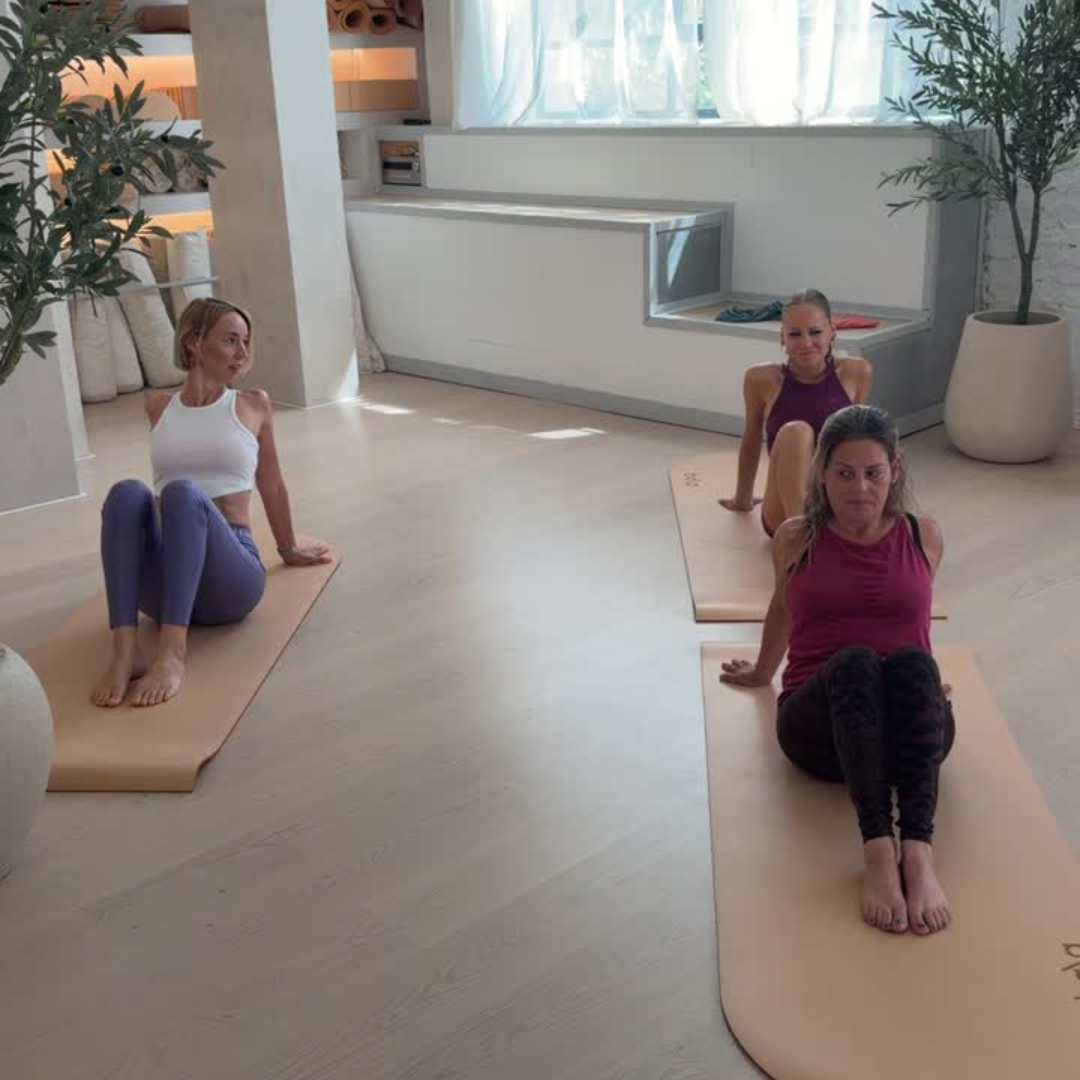
Do You Really Need Kegels? What a Healthy Pelvic Floor Actually Needs
10 min-read
Quick Read
A healthy pelvic floor needs more than strength. It must support the pelvic organs, contract and relax, respond automatically to pressure and coordinate with breathing and movement. Pelvic-floor muscle training has its strongest evidence for urinary incontinence and may also help some women with prolapse symptoms, but more squeezing is not always appropriate. The Aviva Method incorporates both contraction and release within whole-body movement and dedicated pelvic-floor exercises.
Key Takeaways
A healthy pelvic floor is responsive—not simply tight or strong. It needs strength, endurance, relaxation, coordination and appropriate resting tone.
The pelvic floor works as part of a wider system. It coordinates with the diaphragm, abdominal wall, back muscles, breathing and movement.
Pressure is part of everyday life. Coughing, lifting, running and jumping create different pressure patterns; the aim is not to avoid normal movement but to respond appropriately.
PFMT has its strongest evidence for urinary incontinence. It may also improve prolapse symptoms and some measures of sexual function, although the evidence is not equally strong for every outcome.
Not every pelvic-floor problem is caused by weakness. Pain, difficulty emptying the bladder or bowel and painful sex can sometimes involve excessive muscle activity or impaired relaxation.
The Aviva Method incorporates both strengthening and relaxation. Pelvic-floor work appears within the Simple Method, while dedicated strengthening exercises are paired with relaxation exercises.
Pelvic-floor care can form part of everyday life. Movement, safe lifting, bladder and bowel habits, breathing and addressing persistent coughing all contribute to the wider picture.
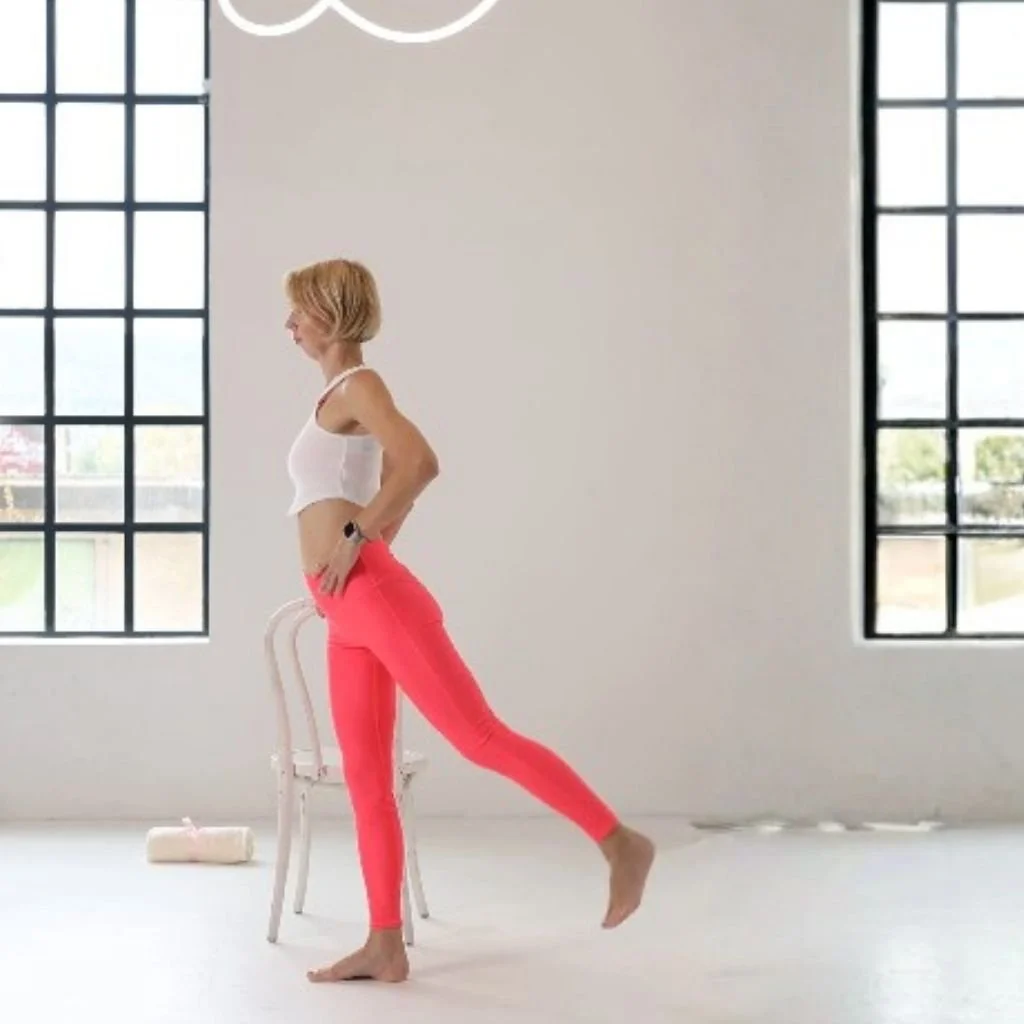
Can Exercise Help Period Pain? What Research Says About Dysmenorrhea
Period pain is common.
For some women, it means a few uncomfortable days each month. For others, it is severe enough to disrupt work, sleep, exercise, and daily life.
Primary dysmenorrhea — menstrual pain without an underlying condition such as endometriosis or fibroids — is one of the most common menstrual health complaints. ⁴
An important question researchers have increasingly explored is whether exercise can help reduce menstrual pain.
The short answer is: it may — but not all exercise is the same.
Just as you would not choose swimming as your primary training if your goal were to run a marathon, different forms of movement train different systems and produce different adaptations.
Some improve endurance. Others build strength, mobility, flexibility, or sport-specific performance.
So when we ask whether exercise can help period pain, an important follow-up question is not only whether movement helps — but also what kind of movement may help most.