Why Ovulation Matters: From Fertility to Lifelong Health
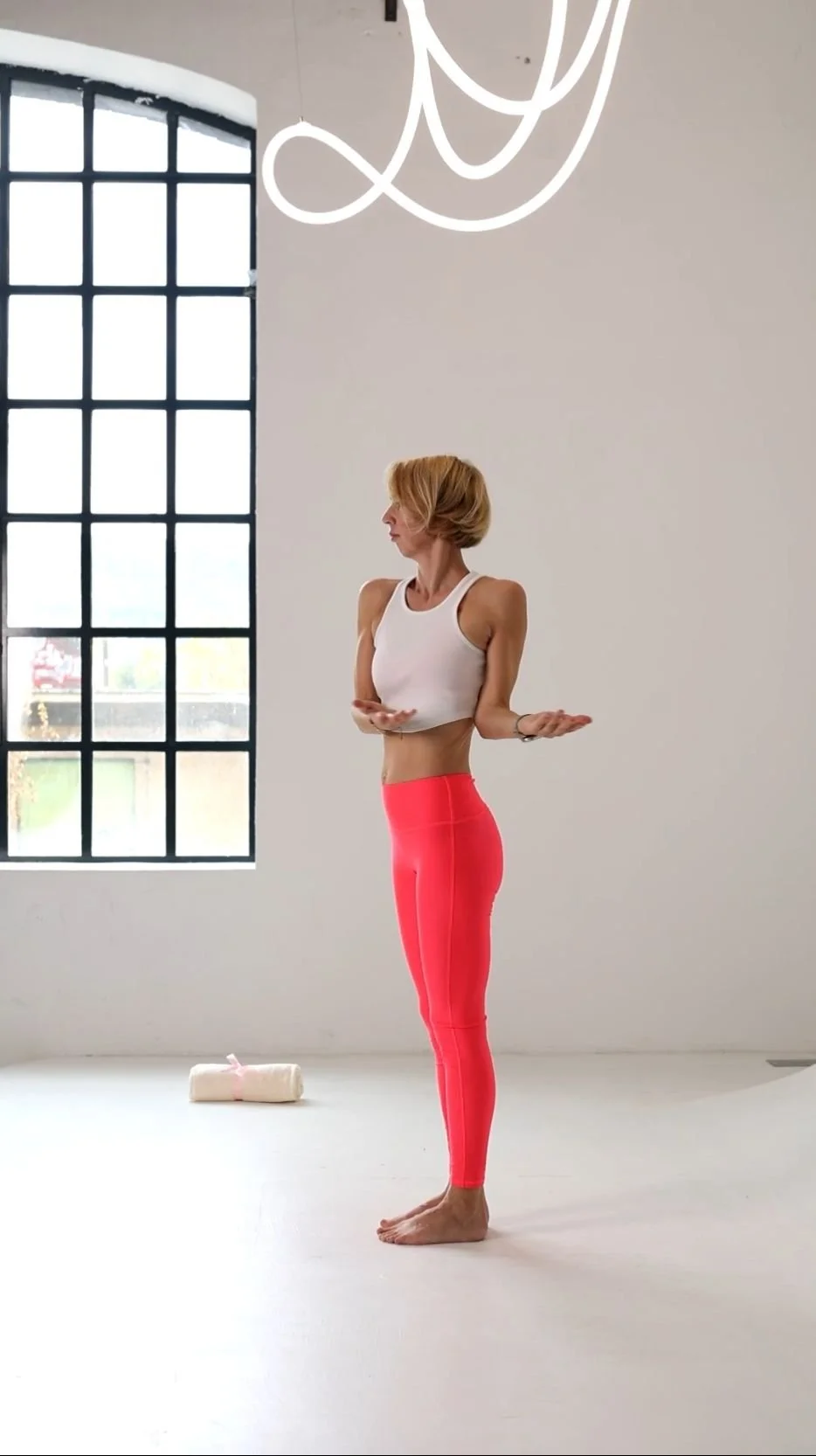
Aviva Exercises
Small consistent practice can create meaningful change.
What Is Ovulation?
Ovulation is the release of a mature egg from the ovary.
Behind this seemingly simple event is a carefully coordinated conversation between the hypothalamus, pituitary gland and ovaries, known as the hypothalamic-pituitary-ovarian (HPO) axis.
During a normal ovulatory cycle:
Estrogen rises.
Luteinising hormone (LH) surges.
A mature egg is released.
The follicle becomes the corpus luteum.
The corpus luteum produces progesterone.
Without ovulation, this natural rise in progesterone cannot occur.
Why Does Ovulation Matter if You're Trying to Conceive?
Without ovulation, natural conception cannot occur.
Understanding whether you're ovulating is one of the first steps in understanding your fertility.
Lifestyle also plays an important role. While fertility is influenced by many factors—including age, medical conditions, nutrition and stress—movement is one of the lifestyle factors you can actively influence.
If you're trying to conceive, supporting healthy ovulation through a balanced lifestyle is one of the most positive steps you can take.
Exercise and Ovulation: What Does the Research Say?
When it comes to ovulation, more isn't always better.
Research suggests:
Moderate exercise may support healthy ovulatory function.
Excessive training can interfere with ovulation.
The risk increases when high training loads are combined with inadequate energy intake.
Exercise can improve ovulation in some women with PCOS, particularly alongside dietary and lifestyle changes.
No single exercise programme has been shown to be superior.
If moderate movement appears to support healthy ovulation, the next question is obvious:
What kind of movement should you choose?
Where Does the Aviva Method Fit?
The Aviva Method consists of mild-to-moderate exercises designed specifically for women's reproductive and pelvic health.
It was developed with the female reproductive system in mind and offers a structured movement practice focused on women's reproductive and pelvic health.
Many women choose to practise Aviva at different stages of life—including while trying to conceive—because it provides a purposeful, moderate form of movement designed specifically for women's reproductive and pelvic health.
Research on the Aviva Method has shown benefits for primary dysmenorrhea and improvements in period pain.
When it comes to ovulation and fertility, high-quality research on the Aviva Method is currently limited. However, many women have shared positive experiences after practising the method. You can read some of these anecdotal experiences here.
Our advice is simple:
Keep doing the movement you love—or the movement that supports your overall health—and add Aviva for your female health.
Ovulation Matters Beyond Fertility
Most women start thinking about ovulation when they're trying to conceive.
Researchers haven't stopped there.
Over the last two decades, scientists have increasingly explored whether regular ovulatory cycles may contribute to women's health far beyond fertility.
✓ What We Know
Scientists know that:
Ovulation is essential for natural conception.
Ovulation allows the body to produce progesterone.
Healthy ovulatory cycles contribute to normal bone remodelling through the combined actions of estrogen and progesterone.
Bone Health
Bone health is often associated with estrogen.
Research suggests progesterone also contributes to normal bone formation.
Studies led by Professor Jerilynn Prior found that women with repeated ovulatory disturbances—even when menstrual bleeding continued—experienced greater spinal bone loss than women with consistently ovulatory cycles.
These findings suggest that healthy bone remodelling depends on the combined actions of estrogen and progesterone.
🔬 What Researchers Are Exploring
Large population studies have associated a longer reproductive lifespan with:
lower cardiovascular disease risk
lower dementia risk
better long-term health outcomes
These are associations.
They do not prove that ovulation itself causes these benefits.
Researchers are now investigating the biological mechanisms behind these findings.
One proposed explanation is the repeated production of progesterone during healthy ovulatory cycles.
Professor Jerilynn Prior has proposed that cumulative exposure to both estrogen and progesterone throughout a woman's reproductive years may contribute to long-term health.
Women's health educator Lara Briden summarises this idea beautifully:
"Each ovulatory cycle is like a deposit into the bank account of long-term health."
While growing evidence supports this hypothesis, researchers continue to investigate exactly how ovulatory cycles influence women's long-term health.
In Summary
Whether you're trying to conceive, trying to better understand your cycle, or navigating perimenopause, your priorities will naturally change throughout life.
Your biology doesn't.
Ovulation is essential for fertility.
It also triggers the natural production of progesterone and contributes to healthy bone remodelling. Researchers are now exploring whether healthy ovulatory cycles may also contribute to cardiovascular health, brain health and healthy ageing.
When it comes to movement, more isn't always better.
Research suggests that moderate exercise may support healthy ovulatory function, while excessive training can interfere with ovulation in some women.
Understanding your body is one of the best investments you can make in your long-term health.
References
American Society for Reproductive Medicine (ASRM). Optimizing Natural Fertility: A Committee Opinion.
World Health Organization. WHO Guidelines on Physical Activity and Sedentary Behaviour.
Mishra SR, et al. Association Between Reproductive Life Span and Incident Nonfatal Cardiovascular Disease.JAMA Cardiology. 2020.
Gilsanz P, et al. Reproductive Period and Risk of Dementia in a Diverse Cohort of Health Care Members.Neurology. 2019.
Prior JC, et al. Spinal Bone Loss and Ovulatory Disturbances.New England Journal of Medicine. 1990.
Prior JC. Progesterone and Bone: Actions Promoting Bone Health in Women.
Medical Disclaimer
The information in this article is intended for educational and informational purposes only and should not be considered medical advice.
Every woman's health, medical history and circumstances are different. The information presented here is not intended to diagnose, treat, cure or prevent any medical condition, nor should it replace advice from your doctor, gynaecologist or other qualified healthcare professional.
If you have concerns about your menstrual cycle, ovulation, fertility, pelvic pain, or any other aspect of your health, please seek personalised medical advice from a qualified healthcare professional.
The Aviva Method is a movement programme designed to support women's reproductive and pelvic health. It should be viewed as a complement to—not a replacement for—appropriate medical care.
Ready to try the Aviva Method?
You can learn with me online from wherever you are. If you don’t have an Aviva instructor available where you live, you are very welcome to join.
Not sure which option is right for you? Write to me.
Not ready yet? Watch the videos or follow @aviva_fertility to see more of the method first.