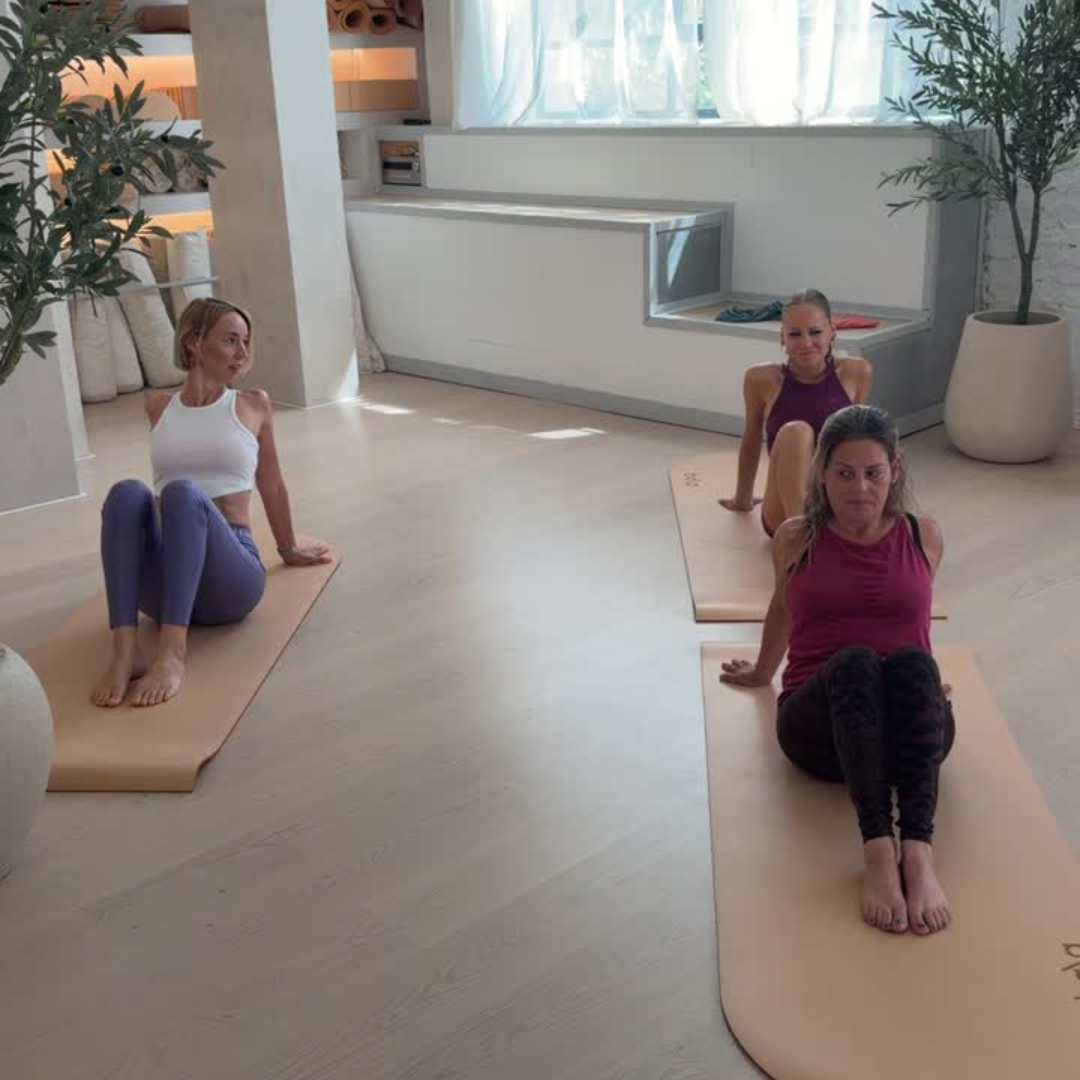
Do You Really Need Kegels? What a Healthy Pelvic Floor Actually Needs
10 min-read
Quick Read
A healthy pelvic floor needs more than strength. It must support the pelvic organs, contract and relax, respond automatically to pressure and coordinate with breathing and movement. Pelvic-floor muscle training has its strongest evidence for urinary incontinence and may also help some women with prolapse symptoms, but more squeezing is not always appropriate. The Aviva Method incorporates both contraction and release within whole-body movement and dedicated pelvic-floor exercises.
Key Takeaways
A healthy pelvic floor is responsive—not simply tight or strong. It needs strength, endurance, relaxation, coordination and appropriate resting tone.
The pelvic floor works as part of a wider system. It coordinates with the diaphragm, abdominal wall, back muscles, breathing and movement.
Pressure is part of everyday life. Coughing, lifting, running and jumping create different pressure patterns; the aim is not to avoid normal movement but to respond appropriately.
PFMT has its strongest evidence for urinary incontinence. It may also improve prolapse symptoms and some measures of sexual function, although the evidence is not equally strong for every outcome.
Not every pelvic-floor problem is caused by weakness. Pain, difficulty emptying the bladder or bowel and painful sex can sometimes involve excessive muscle activity or impaired relaxation.
The Aviva Method incorporates both strengthening and relaxation. Pelvic-floor work appears within the Simple Method, while dedicated strengthening exercises are paired with relaxation exercises.
Pelvic-floor care can form part of everyday life. Movement, safe lifting, bladder and bowel habits, breathing and addressing persistent coughing all contribute to the wider picture.
Exercise for Women’s Health: What Research Says About Period Pain, PMS & Aviva
Quick read
Different forms of exercise serve different purposes. Research has reported beneficial findings for aerobic exercise, yoga and the Aviva Method for period pain and PMS, although the programmes were not compared directly. Aviva can add a specific reproductive- and pelvic-health focus to a broader fitness plan without replacing cardiovascular, strength, bone-loading or mobility work.
Key findings
Aerobic exercise, yoga and the Aviva Method have all produced beneficial findings for period pain.
The studies used different programmes and methods, so they cannot establish which approach works best.
Aerobic exercise, yoga and Aviva have also produced beneficial PMS findings, although they did not measure identical outcomes.
Sustainable exercise can support metabolic health and an energy balance compatible with ovulation, while very high training loads combined with insufficient energy intake can disrupt it.
No particular exercise programme—including Aviva—has been proven to produce or restore ovulation.
During perimenopause and menopause, strength, bone loading, cardiovascular fitness, balance, mobility and pelvic-floor function all matter.
Aviva can add pelvic-floor work, core stabilisation, mobility, stretching, rhythmic movement and breathing to a varied fitness plan.
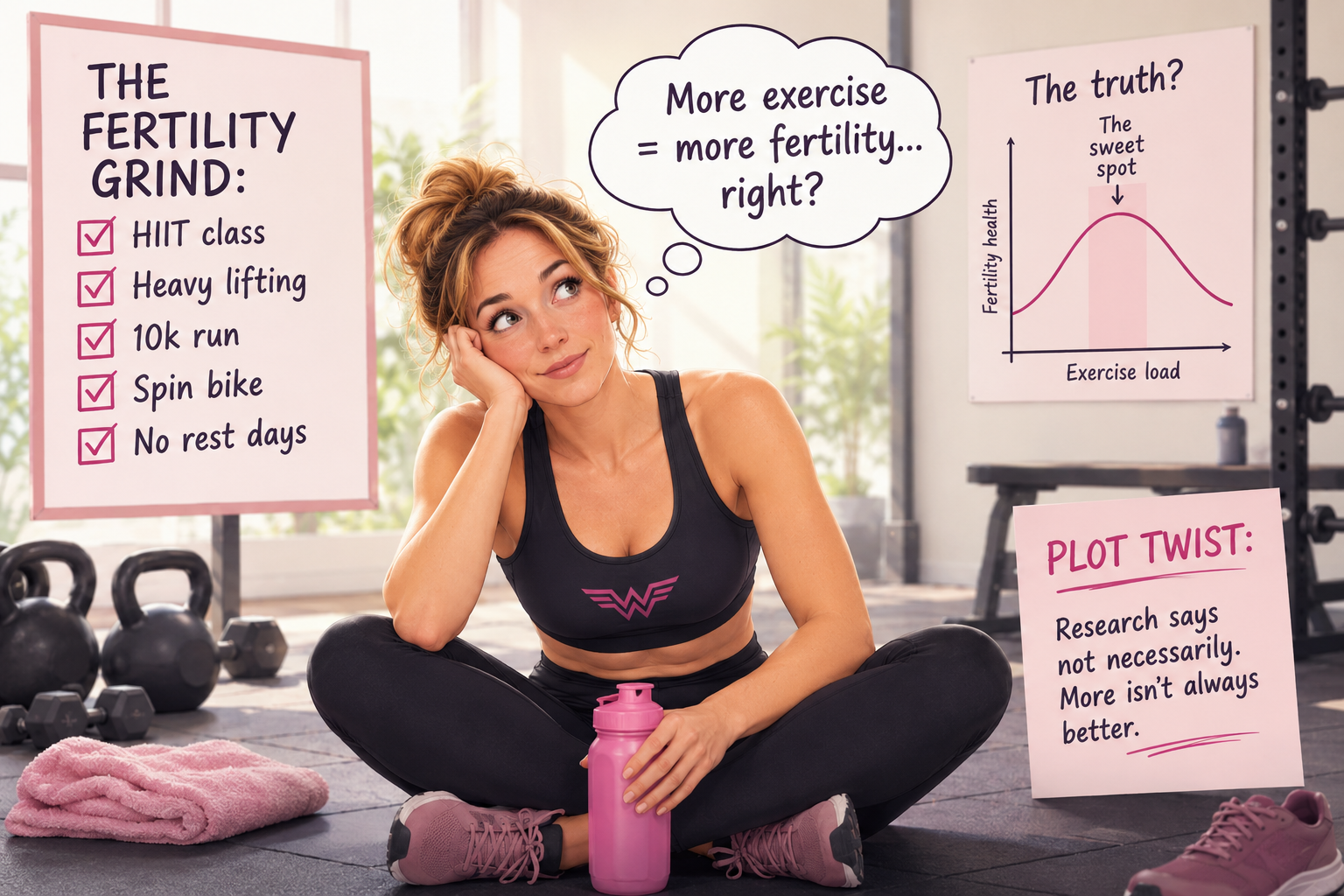
Can Exercise Really “Balance” Hormones? What Research Really Says
6-minute read
Summary
Yes, exercise can affect hormones—but it does not simply “balance” them. Regular movement can support insulin sensitivity, metabolic health, stress regulation and the conditions needed for ovulation. However, exercise cannot reliably raise progesterone or lower oestrogen, and too much exercise without sufficient food and recovery can disrupt menstrual cycles.
Key takeaways
Insulin matters to ovarian function—not only diabetes.
An active and a sedentary lifestyle are not hormonally equivalent.
Exercise can indirectly support oestrogen and progesterone regulation, but it cannot precisely control their levels.
More exercise is not always better: under-fuelling and inadequate recovery can disrupt ovulation.
The most supportive exercise routine is one you can sustain, fuel and recover from.
Why Ovulation Matters: From Fertility to Lifelong Health
~2 minute read
If you're trying to conceive, ovulation is essential. Without ovulation, natural pregnancy cannot occur. It's no surprise that many women only start thinking about ovulation when they're trying for a baby.
But that's only part of the story.
Whether you're trying to conceive, simply living with a monthly cycle that sometimes feels more like an inconvenience than a blessing, or navigating perimenopause and looking for ways to support your long-term health, ovulation remains an important part of your biology.
Ovulation isn't only about getting pregnant. Research has shown that it matters for fertility, progesterone production and bone health, while large population studies have associated a longer reproductive lifespan with lower risks of cardiovascular disease, dementia and better long-term health outcomes. Researchers are now investigating the biological mechanisms behind these associations.
In this article, we'll look at what science already knows, what researchers are still exploring, and where exercise—and the Aviva Method—fit into the picture.
Key Takeaways
Ovulation is essential for natural conception.
When it comes to ovulation, more isn't always better. Research suggests that moderate exercise may support healthy ovulatory function, while excessive training—particularly when combined with inadequate energy intake—can interfere with normal ovulation in some women.
The Aviva Method is a moderate-intensity movement programme designed specifically for women's reproductive and pelvic health. That's why many women choose to practise it throughout different stages of life—from trying to conceive to supporting their reproductive health and navigating perimenopause.
Ovulation triggers your body's natural production of progesterone.
Healthy ovulatory cycles contribute to normal bone health.
Large population studies have associated a longer reproductive lifespan with lower risks of cardiovascular disease, dementia and better long-term health outcomes. Researchers are investigating the biological mechanisms behind these associations.